October 26, 2026
CBD Cartridge Wholesale: Choosing 510 Hardware
CBD cartridge wholesale sourcing often begins with a familiar connection standard and ends with questions that the thread alone cannot answer. For buyers of empty hardware, the useful comparison includes the cartridge construction, approved filling conditions, battery pairing, documentation, and packaging. A sound 510 cartridge wholesale decision identifies the complete intended system before the business commits to a large stock position.
This guide concerns empty cartridge hardware for lawful adult markets. It does not claim that a product contains CBD, establishes formulation safety, or has approval for every destination. Any filled product needs its own lawful supply chain, testing, labeling, and regulatory review. Keep those responsibilities distinct from the purchase of the empty component.
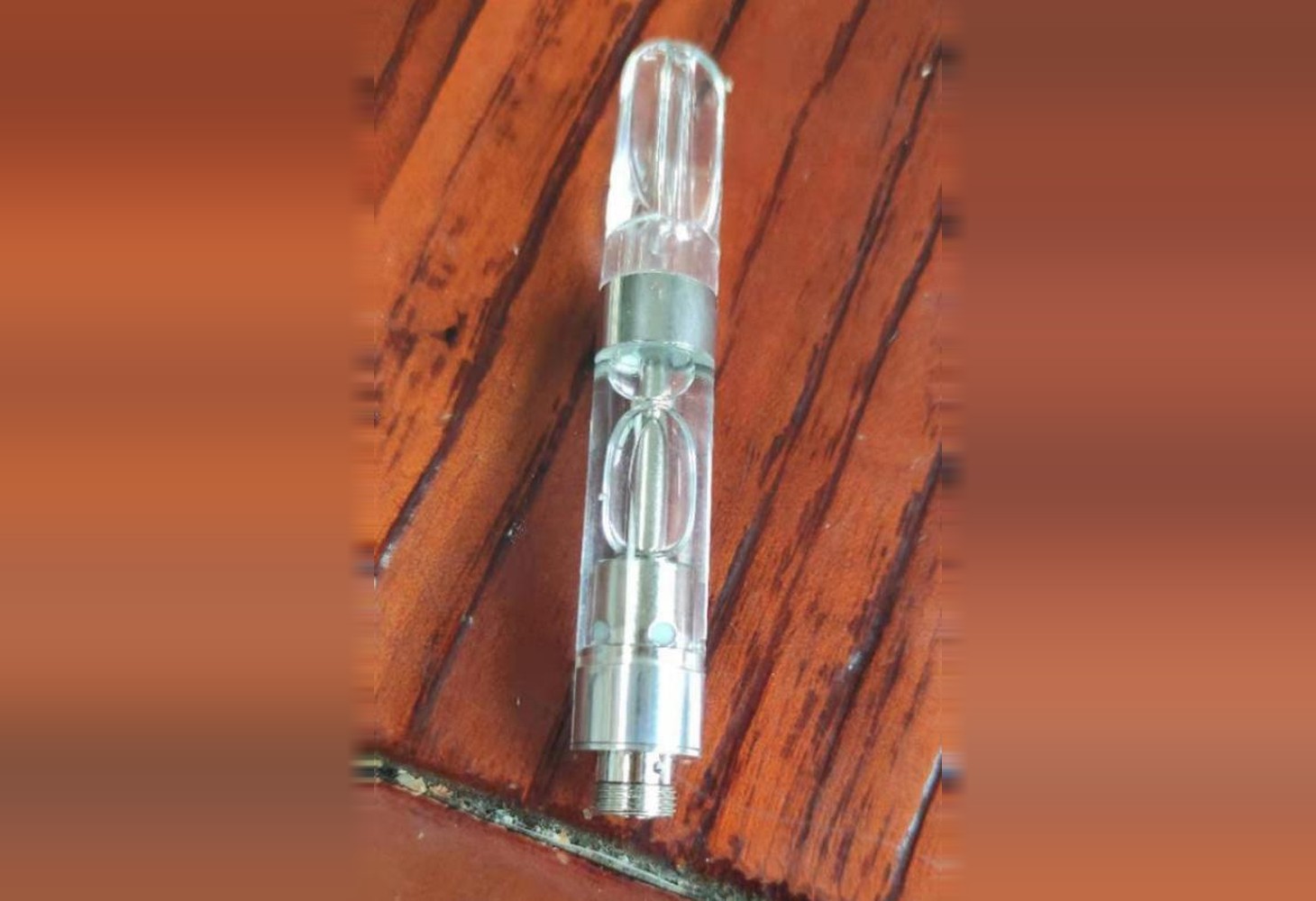
1. Define the intended product before choosing a shell
Start with the destination, adult sales channel, and whether your business buys empty hardware, arranges filling, or distributes a finished product. That determines who must supply the formulation information and who is responsible for evaluating the filled system. An attractive cartridge body is not enough to define a compliant commercial product or a workable manufacturing process.
Prepare a requirements sheet covering the intended fill, cartridge format, compatible battery proposal, packaging, and required documents. Have qualified personnel identify the information needed to assess materials and performance with that formulation. Do not ask the hardware seller to approve an unspecified liquid. Record what is known and what remains to be validated before the first production release.
For a practical comparison, shortlist the 2101 510 cartridge and 2212 510 cartridge using their current product pages. Request current specification sheets for the exact versions quoted. Similar names or a common thread do not prove equal dimensions, materials, filling arrangements, or electrical requirements.
2. Compare construction and material evidence
Ask the supplier to identify the materials relevant to the intended contact surfaces and the construction of the heating assembly, seals, reservoir, and mouthpiece. Review the information at the model and revision level. A generic statement about a company’s product range may not describe the actual hardware in your quotation. If a detail matters to approval, obtain a clear written answer.
Discuss which supporting documents are available and what they cover. Check the model reference, issuing entity, date, and scope before relying on a report. Material information does not independently prove the performance of a filled cartridge, and a document prepared for one destination may not satisfy another. Your responsible technical and regulatory specialists should decide what evidence is relevant to the proposed product.
Ask about the process for changing materials or component suppliers. A future substitution can matter even when the external appearance is unchanged. Request notification of changes that affect an approved specification and agree whether new samples or documentation will be needed. That turns the initial evidence package into a basis for continuing supply rather than a folder that is ignored after the first order.
3. Check filling, closure and handling requirements
Request the manufacturer’s filling and closure instructions for the selected cartridge. Share the relevant formulation and process information through the appropriate technical channel. Have qualified staff assess whether the hardware and proposed process are suitable together. Avoid using a fill amount, processing condition, or closure method taken from a different cartridge merely because the shape looks similar.
Clarify whether the filling operation requires specific equipment, fixtures, or handling steps. Confirm which parts arrive assembled and which steps remain for the filling partner. Ask how the product should be stored before filling and how unfinished stock should be protected. These questions influence labor, yield, and warehouse planning, so they belong in the cost comparison as well as the technical review.
Define the observations and records needed for sample approval, including traceable hardware and formulation references. A leak or fit concern should be investigated under documented conditions rather than explained away with a general claim about the category. Do not promise universal leak resistance or compatibility to retailers on the strength of a brief demonstration with an unspecified fill.
4. Verify the complete 510 battery pairing
A 510 connection identifies an important interface, but mechanical fit also depends on the body dimensions and connection design. Airflow, contact behavior, and the documented electrical operating range need review. An assembly that can be screwed together is not automatically an approved system. The battery and cartridge instructions should support the combination that your business plans to offer.
Read the 510 thread hardware overview to establish the terminology, then request pairing information for the specific products. Ask which battery configuration was used in any supplied evaluation and whether there are restrictions. If the supplier’s evidence relates to a different battery revision, decide what additional review is needed before extending the claim.
Keep the approved pairing on the retail training sheet alongside clear product identification. Staff should know which products can be offered together and where to send an unresolved question. Avoid turning adjustable voltage or preheat features into blanket compatibility claims. When either component changes, update the evidence and instructions before treating the revised combination as interchangeable stock.
5. Quote the real assortment and landed cost
Send suppliers the same configuration, quantity range, destination, and packaging scope. Ask for the minimum overall order and any minimum by mouthpiece, finish, packaging, or other variant. Separate base hardware pricing from branding, setup, sample, and transport costs. Confirm how the quotation would change if you simplify the assortment or place a repeat order with the same approved specification.
Request confirmed packing units, outer carton dimensions, weights, and handling requirements before estimating freight and storage. Include inspection, filling, packaging, clearance, and distribution costs where your business is responsible for them. Empty hardware pricing alone cannot establish the margin on a finished product. Keep uncertain costs visible so purchasing understands what still needs a quote.
AISILE reports export experience across 50+ countries. That provides background for a commercial conversation, but your importer still needs to verify the requirements for the destination and product category. Ask which documents accompany the actual order and how model and batch references will be recorded. Traceable paperwork makes an issue easier to investigate after stock moves through a distributor.
6. Approve a pilot and maintain a reorder specification
Agree what the pilot must establish before choosing its size. Bring together purchasing, the filling partner, technical reviewers, and the supplier to define the outstanding decisions. Keep the sample reference, evaluation conditions, approved documents, and packaging proof in one purchase record. Record whether approval covers empty hardware only or also a defined filled system with a named battery pairing.
Review early production and channel feedback using specific references. Separate filling-process concerns from hardware defects, transport damage, or incorrect pairing. Request a documented response when an issue affects the approved specification. Before reordering, confirm whether any component, instruction, packing detail, or relevant market requirement has changed. A stable reorder depends on maintaining that record.
Also agree how unused stock will be identified while a concern is investigated. Traceable carton and batch references help the warehouse locate the relevant hardware without confusing it with another approved version. That practical discipline supports a focused supplier investigation and reduces uncertainty when a filling partner holds inventory on your behalf.
Contact VAPEKYNT for an empty cartridge comparison with your preferred models, destination, filling partner’s requirements, battery proposal, and expected purchase range. Ask for current specifications, available material evidence, filling instructions, and a sample plan. That information will help your team choose 510 hardware for a defined product rather than relying on a generic compatibility claim.
Product specifications may be customized for wholesale orders. Contact us to confirm current availability and requirements.