October 26, 2026
510 Thread Battery Wholesale: A Buyer’s Guide
A 510 thread battery wholesale purchase should begin with the cartridges your store plans to support. Matching the thread is only part of compatibility: the connection, cartridge dimensions, airflow path, electrical operating range, and user instructions also matter. A preheat vape battery can be a useful category for an adult hardware range, but a preheat feature alone does not establish suitability for every cartridge or filling formulation.
This guide focuses on procurement and sample approval. It explains how to ask about voltage, capacity, preheat behavior, and stock support without assigning unverified specifications to a product. Use the manufacturer’s current instructions and have qualified personnel assess the proposed battery and cartridge combination before making compatibility claims to customers.
1. Build a compatibility matrix for the range
List the cartridges your business intends to carry and record the information available for each. Include the manufacturer reference, dimensions, connection details, airflow arrangement, and documented electrical requirements. Identify gaps instead of assuming that a standard thread answers every question. A buyer should be able to trace a claimed pairing to a specification and evaluation record.
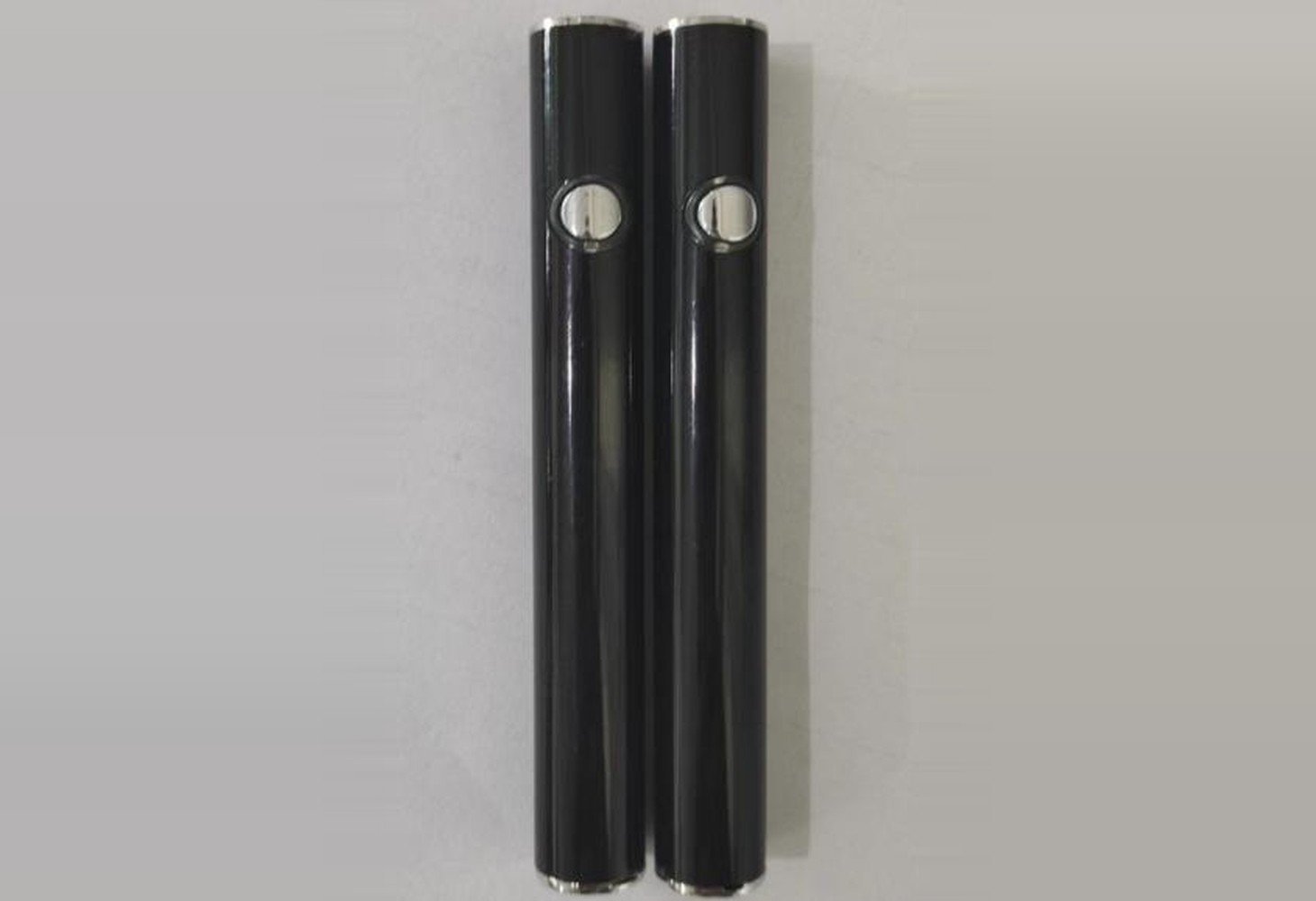
Use the 510 preheating battery rod product page as a starting point for supplier questions. Ask which cartridge combinations have been evaluated, what conditions apply, and whether a particular body diameter or recessed connection creates a physical limitation. An adapter or a forceful connection should not be treated as proof that the pairing is intended by the manufacturer.
Check whether the store needs one clearly defined combination or a battery range covering several cartridges. The latter adds training and support work because staff must explain the approved options. Keep the compatibility matrix small enough to maintain. When a cartridge or battery revision changes, mark the pairing for review rather than carrying the old approval forward automatically.
2. Ask what the voltage controls actually do
Request the documented output settings, how the user selects them, and how the selected state is indicated. Confirm whether the information describes the exact quoted version. Do not infer output values from the number of indicator lights or from another device with a similar housing. If the supplier cannot provide the operating information, record that as an unresolved purchase requirement.
Discuss the cartridge manufacturer’s permitted operating range with the battery supplier. A broader adjustment range is not automatically an advantage when the intended cartridge requires a narrower approved range. The store needs a combination that can be explained clearly and used within the supplied instructions. Qualified technical staff should determine appropriate evaluation conditions; a sales description is not a substitute for that review.
Check how the controls behave after switching off, charging, or changing cartridges, where those actions are supported. Ask about lock or activation behavior and the instructions the end customer receives. Record any version differences that would affect staff guidance. Consistency between device behavior, packaging, and the instruction sheet is part of a usable wholesale specification.
3. Review capacity, charging and handling as one system
A stated battery capacity describes a specification under defined conditions, not a universal promise about customer use time. Actual operation depends on the approved load and how the system is used. Ask for the model’s confirmed capacity entry and the basis of any runtime statement. Avoid converting a capacity figure into an advertised number of sessions without supporting evidence.
Confirm the charging connection, permitted input conditions, included accessories, and charging instructions. The presence of a familiar connector does not establish that every charger is appropriate. Ask the manufacturer to identify the required power source and any restrictions. Staff should have one current instruction set to reference when answering charging questions or handling a returned device.
Obtain the storage, transport, damage, and disposal guidance supplied for the battery. Discuss relevant shipment documentation with the logistics provider and importer. A device that appears suitable on a counter still needs an appropriate route into the market and a process for damaged stock. Assign responsibility for those steps before approving a larger inventory commitment.
4. Evaluate preheat against the intended cartridge
Ask the supplier to describe the preheat function, activation method, operating limits, and intended use in the model’s documentation. Do not assume that the word “preheat” means the same behavior across products. Request the relevant information for the supplied version and confirm that the accompanying instructions describe it accurately.
Preheat should be assessed within an approved battery, cartridge, and filling combination. It does not make an unsuitable cartridge compatible, correct a damaged connection, or replace an appropriate formulation and filling process. For a deeper discussion of purchasing considerations, read the battery selection guide for thick-oil cartridge projects. Keep any pairing claim limited to the evidence your team actually holds.
Have qualified personnel define what the sample evaluation must establish and which observations require investigation. Record the hardware references, documented conditions, and outcome. If a supplier changes the firmware, output behavior, connection, or cartridge specification, ask whether the earlier evaluation still applies. A change log is more useful for future orders than a message saying that the sample seemed satisfactory.
5. Turn samples into a wholesale acceptance record
Inspect received samples for identity, visible condition, packaging correspondence, and legibility of instructions. Compare them with the quotation and specification sheet. Photograph the product references and note any difference between a stock sample and the proposed production version. Keep appearance approval distinct from functional approval so neither is mistaken for completion of the other.
Agree the acceptance process with purchasing, technical staff, and the supplier before the bulk order. Define the evidence needed to investigate a defect, the handling of discrepancies, and the process for proposed substitutions. Do not invent technical pass limits to fill a checklist. Those limits should come from the applicable requirements and a competent review of the supplied product.
AISILE reports monthly manufacturing capacity of 5M+ units in 2026. Treat that as company context, rather than evidence that a specific battery configuration is in stock or already approved for your market. Request a dated quotation, model availability, and the documents relevant to the ordered hardware. Verify what each document covers before relying on it for an import decision.
6. Buy a range your staff can support
Choose an opening assortment that staff can explain accurately to adult customers. Use the VAPEKYNT hardware catalog to compare the role of the battery with the cartridges and other hardware in your range. Consider packaging clarity, spare inventory needs, and the support process alongside unit price. Extra options are useful only when your business can maintain their specifications and instructions.
During the first stock cycle, record which approved pairings are requested, what questions staff receive, and whether returns point to hardware, instructions, or compatibility misunderstandings. Preserve model and batch references when escalating an issue. Before reordering, ask for a statement of changes so your training sheet remains consistent with the product arriving at the warehouse.
Keep the original packaging and instruction revision in your retained sample record. When a retailer asks about an unfamiliar indicator or control sequence, the support team can then identify the actual version supplied. This is particularly useful when visually similar batteries from different purchasing dates remain in distribution at the same time.
Contact VAPEKYNT about a 510 battery sample plan with your cartridge references, destination, channel, and required documentation. Ask for the confirmed output information, charging guidance, preheat instructions, and available compatibility evidence. Those answers will help your team choose a manageable battery range and approve it against a defined purchasing requirement.
Product specifications may be customized for wholesale orders. Contact us to confirm current availability and requirements.